TRAIL RUNNER’S 10 COMMANDMENTS
Running on snow-covered roads, venturing into a forest, treading the paths over hills or mountains, dropping the stopwatch, letting yourself be carried away by the song of birds or that of a mountain stream… The trail is all this and much more. To taste running in the wilderness, you just have to go for it! Whatever your experience of running, you can evolve very quickly. Here are ten tips to help you take the step towards the trail.
1. YOU’LL START OFF CARREFULLY.
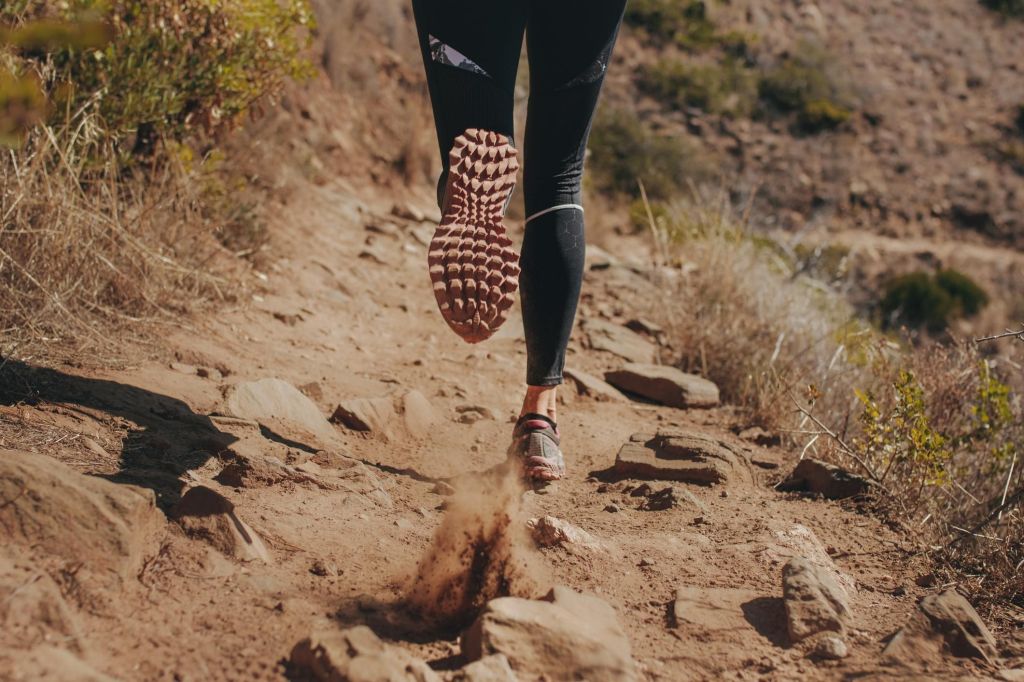
Keep in mind that the main causes of injury, and therefore discouragement in running, is too much, too fast. In more technical terms: your body must adapt to new mechanical stress. So start with short distances: 2, 4, 6 kms. You can also set time goals: 10, 20, 30 min. If you already run regularly, be modest during the transition. Aches are quite normal muscular pains at the beginning but be attentive to any pain that lasts over time. Finally, never forget to respect a gradual warm-up before each session or run, ideally 20min, to get the engine hot.
2. YOU WILL EXPLORE THE SURROUNDINGS
Trail does not necessarily rhyme with mountains, altitude and deep forest. You can find close to your home, including in the cities, a wood, a beach, a park … Remember to assess the distances so as not to embark on a too long run. The ideal is to follow a route that you know well. You can also locate the hiking trails (PR – GR) close to where you live.
3. TRAIL GEAR, YOU WILL PUT ON
Running requires a good pair of shoes. To practice trail running, don’t overlook this essential accessory that will help you to face trails. Trail shoes soles are very different from road shoes. They are designed to hitch on different terrains and also to evacuate mud. For clothing, be comfortable and not too covered, avoid cotton that retains moisture and remember during long runs to take a small jacket.
4. BAG, WATER BOTTLE…AND TOILET PAPER YOU WILL TAKE WITH YOU
Soon enough, you’ll want to extend your runs, even if it means alternating running and walking. Be aware that if you can avoid drinking during a 45-minute run – provided you’ve drunk before – it is important to hydrate as soon as you go beyond this point. There are several options: a water bottle in a belt or in a hand holder, a backpack with a water pocket or flasks. Also remember to bring a snack. Finally, a phone and toilet paper can be useful, you never know…
5. YOU’LL BREAK THE ROUTINE
Once you have acquired an enough base of endurance, you can increase the distances, change the course. Don’t experience this as a challenge or a test, but rather as a reward.
On long run, especially if it’s in the mountains, you’ll be running but also walking. It’s an opportunity to measure the joy of being in natural areas.
6. YOU’LL BUILD UP YOUR BODY
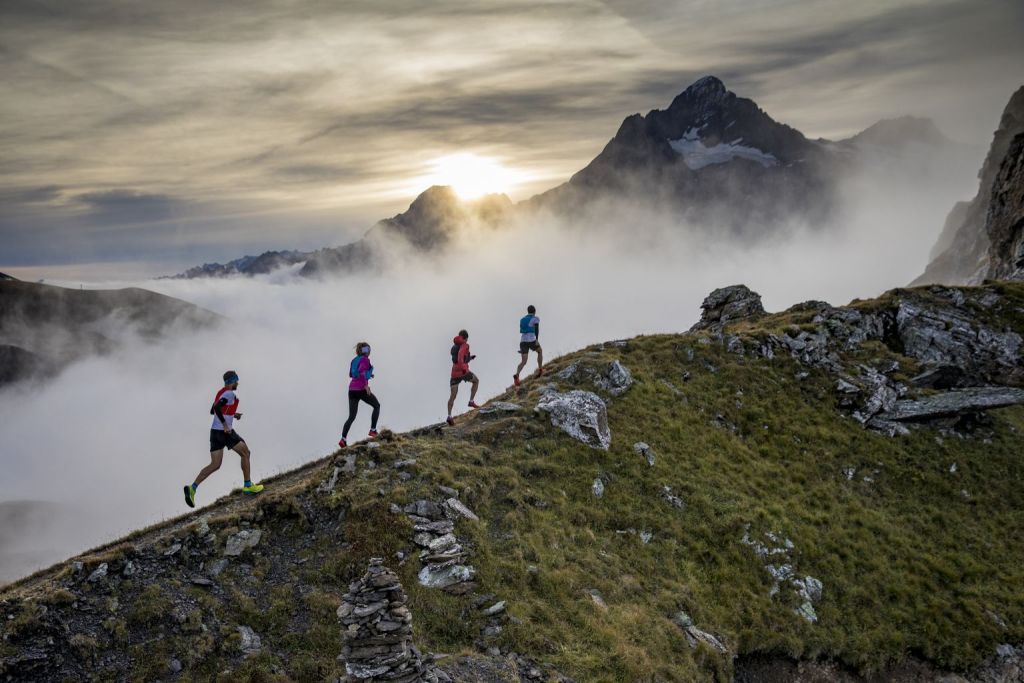
In trail, you run then you walk, you climb then you go down, you get stuck then you feel better… To manage these changes of relief, of rhythm, requires a specific musculature. The quadriceps and calves are heavily solicited, abdominals and back also, and even the arm muscles if you opt for poles. It’s therefore very beneficial to intersperse a cycling or swimming session into your training week. Sheathing should also be done on a regular basis. Finally, split training, which consists of a series of short, fast runs over short distances, helps you to gain endurance and mental strength.
7. ON THE RACES YOU’LL ENJOY
Trail also allows sharing. The races – there are thousands of them and in all formats (from 5 to 170 kms and even more) – are excellent meeting clubs. The longer the distances, the more you will be able to talk, support each other and make friendships. When you have to choose a distance, never forgot the difference in altitude. Experienced runners estimate that 1000m of positive elevation gain is equivalent to 10 kms to add to the distance. For example, a 20km with 500m of D+ is equivalent to a 25km on the flat.
8. YOU WILL LISTEN TO YOUR BODY
A pain that doesn’t let you go, a sudden drop in energy…all the signs your body sends you have to be listened to with great attention. Consulting a doctor before starting a run is an obligation. It can help prevent a small injury from turning into a big one. Going to see a dentist is also sometimes very useful, a cavity can explain certain tendinitis. Finally, physiotherapists and osteos, very used to treat small injuries, are also a great support.
9. PLEASURE YOU WILL TAKE
Enjoy! A positive state of mind, good lifestyle habits and a balanced diet are the best allies in your running progress. It is not a question of giving up the pleasures of life but of making your sport become one.
10. YOU WON’T FORGET YOUR LOVED ONES
Trail, like any other sport, can become addictive. It is an activity that can very quickly come to interfere in your family, friends or professional balance. Two solutions: either your wife, husband, your friends, your boss start trail running, or it will be up to you to make concessions!
 Our Favorite Sports